
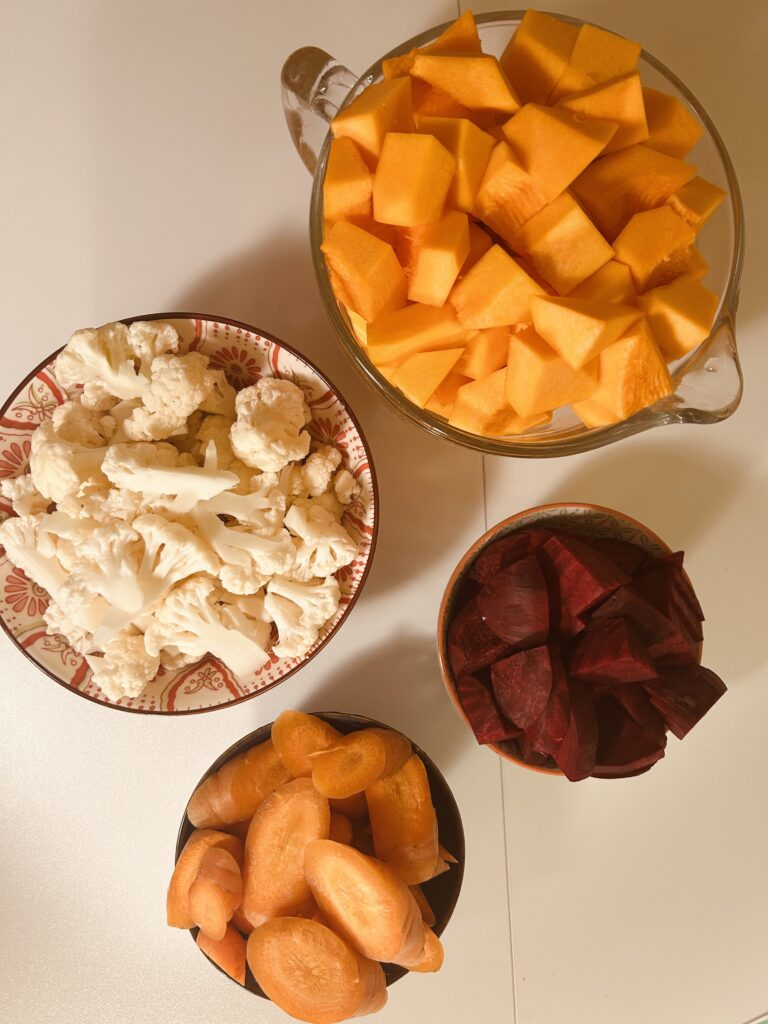
Out of the four seasons, I think that winter is like a “hidden gem”. This frigid, dark period of time is often overlooked, more vibrant seasons like autumn or summer favored instead. Wintertime is often depicted to be a blur of too-short days, marked by incessant complaints about the lower temperatures and stark landscapes beyond. We grumble about our low energy levels, the depressing lack of sunlight, the cold, monotone world outside. We recognize only the parts we dislike, dismissing the entire season based on a one-sided point of view. But the advantages of winter’s services are more plentiful than we’d assume, so long as we’re willing to accept them.
Nature works intuitively, and the prolonged quiet and cold of winter has a purpose. From what seems to be an unfruitful period of dullness instead emerges space and time for serenity, restoration, and reflection. Throughout the year, winter is the only season where we have no choice but to pause, each characteristic effectuating us to slow down; longer nights encourage longer periods of rest, while colder temperatures contain us, inviting self-reflection and inactivity. As we outlast the cold, we learn valuable lessons of being patient, perseverant, and appreciative for the little moments that otherwise go unnoticed. And though it isn’t always easy to endure, a forced retreat from constant stimulation allows us to replenish our minds and energize our bodies in preparation for another humming spring, summer, and autumn ahead.
The easiest way to embrace this idea of “slow-living” is to lean into the intentions of the season. Allow yourself to hunker down at home and make time to truly relax. Try embracing the quiet calm of the surrounding environment, taking time to simply breathe while watching the snow fall. Or retire yourself early to bed, encouraging a restorative night of sleep so that you may wake up feeling refreshed. However you choose to act, find appreciation for the energetics of winter and emphasize practices that highlight rest, reflection, and renewal.
My favorite way to embrace seasonal spirits is by making a meal that honors the vibrancy of winter produce and induces the warm, cozy feelings characteristic to this time of year. Seasonal eating is such an important way for us to connect with the natural rhythms of our planet and to consume the nutrients that naturally help our bodies adjust to the changes in climate. During the winter, we see a rise in hardy vegetables whose contents strengthen our immune systems, boost our moods, and fight fatigue associated with cooler temperatures and a lack of sunlight. Such winter squashes, crucifers, and root vegetables are also highest in nutrients at harvest time and cheaper than other non-seasonal imported produce. They can be easily cooked in a variety of ways, generating a component that’s highly nourishing, inexpensive, and perfectly satisfying when the temperatures drop.
When considering how to incorporate winter vegetables into your food, I think that soups are often the generic option. They’re warm, comforting, and happy to bubble away on the stovetop without much interference or a complicated process. Once in a while, the sensation of soup makes for the perfect cozy meal, but eaten as an everyday affair, it isn’t always satisfying. When I want a dish suitable for the colder weather that’s substantial, easy to prepare, and loyal to the produce of the season, I reach for a grain bowl. They’re hearty, straight-forward, and filled with nutritiously delicious ingredients that are easy to source. In this particular recipe, you build a wholesome, comforting meal from lentils, farro, and roasted winter vegetables. It’s simple, it’s nourishing, and it’s a fine way to highlight all that winter has to offer. I hope you enjoy it as much as I do!
Why you’ll love this recipe:
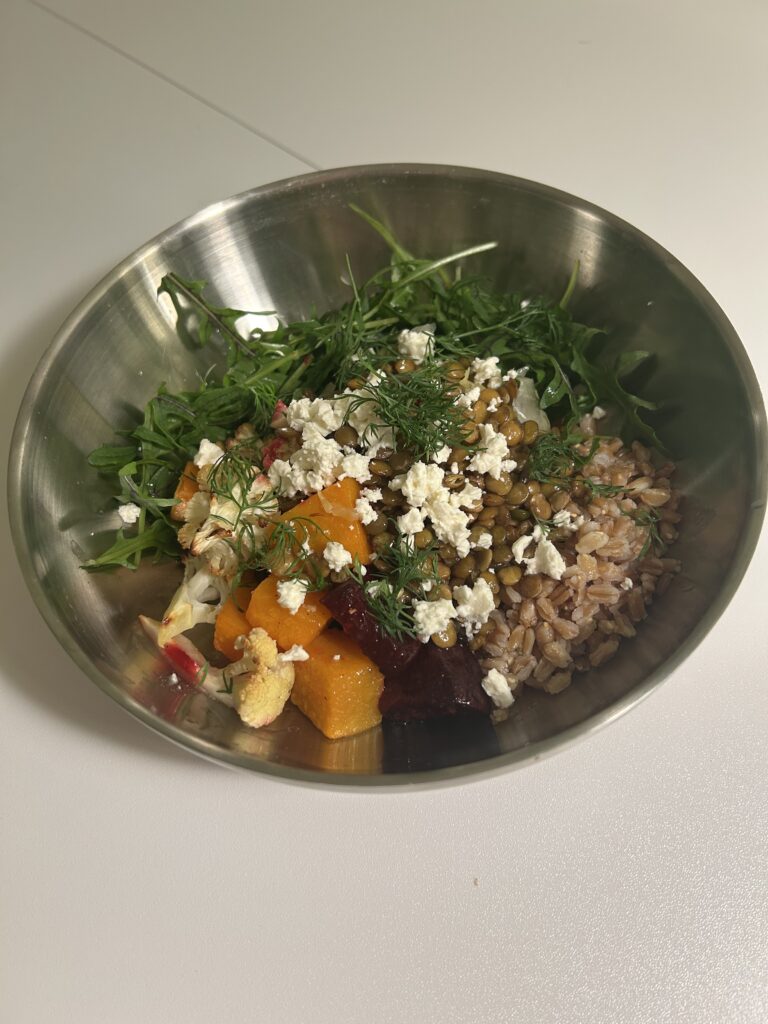
This winter grain bowl recipe combines nutritious winter vegetables, fiber-filled lentils, and nutty kernels of farro to generate a feel-good dish bursting with flavor and essential vitamins & minerals. The abundance of winter is celebrated, making use of the hearty seasonal vegetables that are easy to source and conveniently packed with nutrients our bodies demand most during the dark, cold months. Brown lentils & farro supplement the dish with additional protein, fiber, and alternate textures, balancing the contents to form a satisfying meal. Top everything off with a garnish of flavorful greens, a drizzle of anti-inflammatory dressing, a sprinkle of goat cheese, and your bowl will have checked every box!
Not only is the dish wholesome, but it’s inexpensive and easy to prepare ahead. Talking money, seasonal vegetables are comparatively inexpensive to other produce varieties and lentils are one of the most affordable legumes on the market. Farro may not be the cheapest grain, but you don’t need much to reap the unrivaled benefits. As for preparation, each component is made separately and can be stored for at least a week before it must be eaten. Prep every ingredient whenever you have time, and profit from your efforts in the following seven days. When you’re ready to dine, your only steps include portioning, heating, and eating! Easy as a winter vegetable grain bowl 😉
Nutritional Highlights:
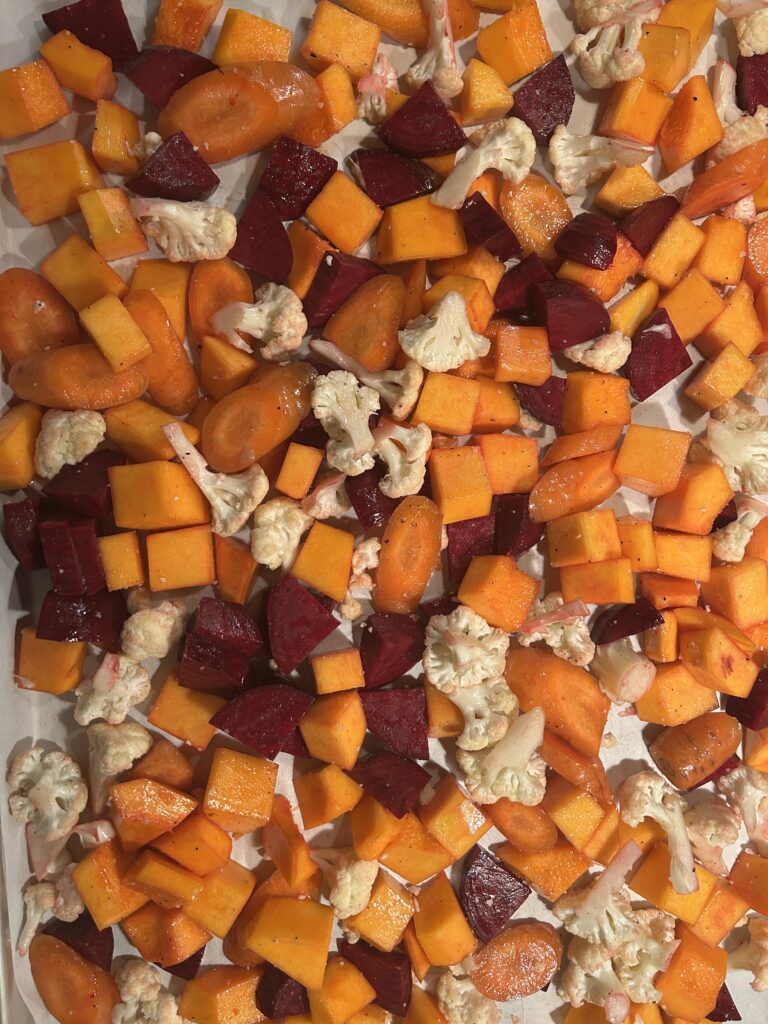
We don’t always associate winter with vibrancy, but this seemingly bleak period has a colorful array of nutrient-dense vegetables that nourish us despite the dull appearance of the landscape. And paired with other shelf-stable items like legumes & ancient grains, you’ve created a nourishing, low-effort meal that will keep you cozy all season long.
- Butternut Squash: source!
This oblong, orange-fleshed squash may look odd, but it isn’t fiddling with its nutritional value. One serving of butternut squash (1 cup) delivers about 6.6 grams of fiber (!!), more than 100% of your recommended daily allowance of vitamin A, 40% of the RDA for vitamin C, and additional supplementation of potassium, calcium, and magnesium. Its bright orange color also signifies its high concentration of beta-carotene, which helps to support the immune-system. And to stay hydrated, look no further: one serving of butternut squash is around 87% water.
- Beets: source!
These hardy root vegetables boast a vibrant reddish-purple color and an impressive stock of nutrients. Like most vegetables, beets are a great source of fiber and contain vitamins, minerals, and other plant compounds that are essential for good health. Beets are rich in nutrients such as folate, manganese, potassium, iron, and vitamin C. The vegetable’s bright color is owed to the compound betanin, which is also a powerful antioxidant. But beware; your urine might turn pink!
- Cauliflower: source!
Cauliflower is a member of the cruciferous vegetable family, distinctive for its textured appearance as a densely packed head of white florets. Per serving (1 cup), cauliflower provides 2 grams of fiber, 2 grams of protein, and a great dose of vitamins & minerals: vitamin C, K, B6, and B5, as well as choline, folate, potassium, and magnesium. Many of these nutrients are potent antioxidants, which are substances that protect our cells from damage and inhibit the growth of cancer. Cauliflower is also 92% water, keeping your cells hydrated & happy.
- Carrots: source!
Carrots are best recognized for their characteristic orange coloring and long, slender structure. However, these roots aren’t a slim source of vital nutrients; carrots are especially rich in beta-carotene (which converts to vitamin A), biotin, vitamin K, potassium, and viatmin B6. Carrots also contain a compound called lutein, that, alongside multiple cartenoids like beta-carotene, promotes optimal eye health. A carrot a day keeps the optometrist away!
- Arugula: source!
While it seems unlikely, this peppery leafy green is actually a member of the cruciferous family, alongside broccoli, cauliflower, and cabbage. Arugula is a nutrient-dense alternative to lettuce and is extremely rich in various nutrients, including calcium, potassium, folate, and vitamins C, K, & A.
- Brown Lentils: source!
These modest brown beads may look insignificant, but their nutritional identity is larger than life. These small, but mighty legumes are a plentiful source of protein, fiber, and an abundance of vitamins and minerals. 1 cup of cooked lentils supplies 18 grams of plant-based protein, 15 grams of fiber (wow!), and an exceptional dose of B-vitamins, folate, and essential minerals like magnesium & copper, among others. Lentils are also quite inexpensive, so they benefit not only your health, but your wallet, too!
- Farro: source!
This whole, small-kernel grain of wheat proves that being refined, rather than rustic, isn’t superior. Of Mesopotamian origin, this ancient staple comes equipped with protein, fiber, and essential nutrients like vitamin B3, magnesium, zinc, and iron. The dose of fiber and protein helps to counterbalance the effect of carbohydrates on your blood sugar, keeping it stable to prevent an energy crash. Farro also contains a wide range of nourishing antioxidants that help protect from diseases like cancer, diabetes, and strokes.
ingredient details + swaps:
- Lentils: Beads of brown lentils add substance and contribute a mild, earthy flavor to this winter grain bowl. If you need a substitute, try using French green or black (beluga) lentils. Red lentils will not work for this dish, as they will soften into a mushy consistency once boiled. If you don’t want to use a type of lentil, you may use another kind of legume, such as chickpeas or butterbeans, however the cooking times will change. I haven’t tried anything besides lentils, but the recipe is yours to experiment with!
- Winter Vegetables: Hearty winter vegetables collaborate to create a variety of textures and a tasteful blend of sweet, earthy, and savory flavors. Roasting unearths the velvety texture of butternut squash, the complex, mineral profile of beets, the nutty side of cauliflower, and the sweet, caramelized splendor of carrots. Any of the given vegetables can be swapped for other winter produce such as sweet potatoes, winter squash, broccoli, turnips, parsnips, and cauliflower; use what you enjoy! And, if you can, try purchasing your produce from farmers local to your area to support their livelihoods and receive the veggies as fresh as possible.
- Farro: Chewy kernels of farro add a satisfying texture and a softly sweet, nutty flavor to this dish. If farro isn’t available to you, try using an ancient grain that maintains a similar texture, such as barley, bulgur, quinoa, freekeh, or wheat berries. You may also substitute for brown rice, but be sure not to overcook it to maintain structural integrity.
- Arugula: Arugula adds freshness and a bright, peppery finish to a hearty dish. You may replace it with other salad greens, like spinach or kale, but your plate will lack arugula’s distinct flavor. Note: if using kale in place of arugula, be sure to chop it thinly, and massage it with a bit of olive oil before plating to soften the fibrous leaves.
- Goat Cheese: The addition of goat cheese provides creaminess and a hint of the characteristic chèvre flavor to add a complex tang. If goat cheese isn’t suited to your preference, sheep or cow’s milk feta makes an excellent substitute. This dish tastes best with a creamy element, so if you are unable to consume dairy, substitute with your favorite hummus or even a cheesy cashew cream, if you like. I also love adding a dollop of my favorite, local baba ganouj; any velvety dip will do!
- Fresh Dill: Fronds of fresh dill add a vibrant, subtly sweet flavor that complements the earthy essence of the root vegetables. If dill isn’t available, you can substitute another herb like parsley, however the flavor profile will be different. I wouldn’t recommend using anything other than the aforementioned greens to avoid an odd taste.
let’s get cooking!
Print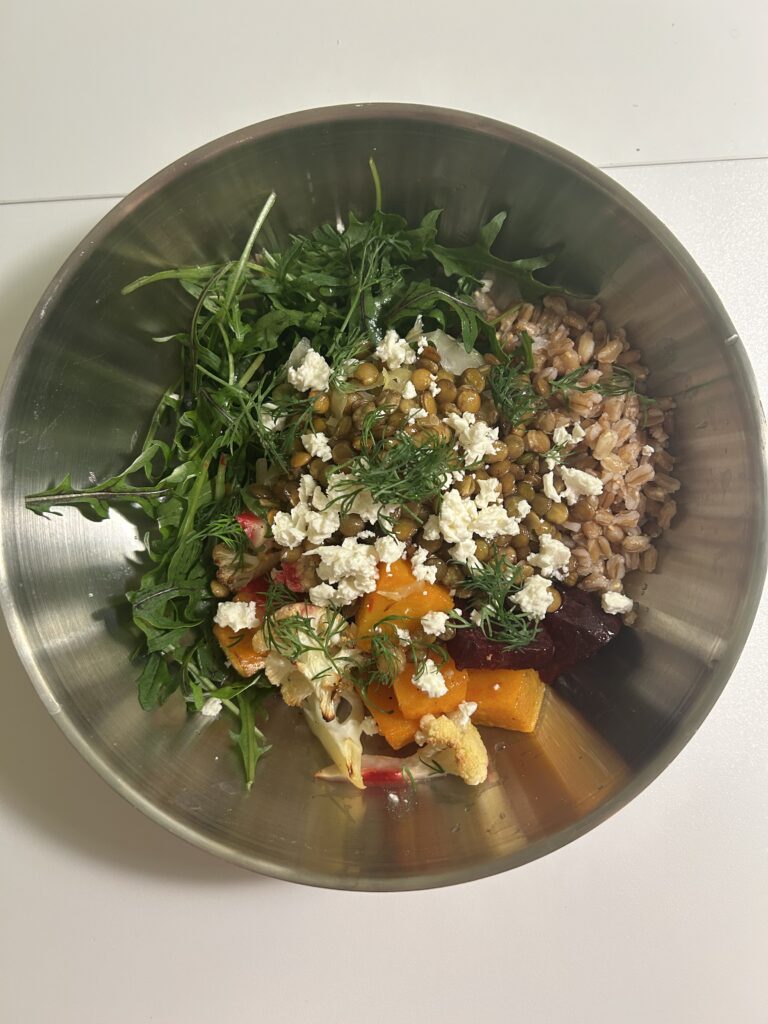
winter grain bowl:
A remarkably nourishing grain bowl made with seasonal vegetables, chewy kernels of farro, and crispy lentils, served with an anti-inflammatory dressing, creamy goat cheese, and a flavorful sprinkle of fresh dill.
- Total Time: 1 hr 20 mins
- Yield: 5-6 servings
Ingredients
- 1 cup dry farro, cooked according to package directions
- 3 cups butternut squash, cut into 1 inch cubes
- 2 medium carrots, cut into ½ inch thick circles
- 2 cups cauliflower, cut into bite-sized florets
- 2 medium/3 small beets, sliced into quartered ½ inch thick rounds (¼ of a circle, ½ inch thick)
- 1 cup dry brown or green lentils, cooked according to package directions
- ½ cup crumbled goat cheese, for garnish
- ⅓ cup chopped dill, for garnish
- 3 cups arugula
For the dressing:
- 1 tsp ground turmeric,
- 1 tsp grated ginger root,
- 1 tbsp whole grain mustard,
- 1 tsp honey,
- ¼ cup ACV,
- ¼ cup olive oil,
- a couple grinds of black pepper
- pinch of salt
Instructions
- Cook farro according to directions specified on the packaging. Set aside.
- Preheat the oven to 400 degrees fahrenheit. Prepare a baking sheet with parchment paper or a silicone baking mat.
- To make the vegetables: Chop all of your vegetables and add them to a large bowl. Drizzle with olive oil, toss everything together until the veggies are coated, then season with salt and pepper, tossing again.
- Pour the vegetables onto your prepared baking sheet and insert them into the oven. Cook until they are just tender and have caramelized slightly, approximately 35-40 minutes.
- To make the crispy lentils: Cook the lentils according to the directions on the packaging, but be sure not to overcook!
- Add the lentils to a bowl, along with a glug of olive oil, a generous pinch of salt, black pepper, and garlic powder. Toss until seasonings are evenly distributed.
- Transfer the lentils to a prepared baking sheet and spread into an even layer.
- With the oven maintaining a temp of 400 degrees, bake the lentils for 15 minutes*. Remove to stir them around, and then return them to the oven to bake for an additional 5-7 minutes, or until crispy.
- Allow to cool completely before using.
- Make the dressing: Add all of the ingredients to a jar, screw on the lid, and shake vigourously. Or, for a creamier consistency, add components to a blender and blend until everything is incorporated.
- Assembling your bowl: To assemble your bowl, start by adding handful (approx. 1/2 cup) of arugula, followed by 1 cup, give or take, of roasted vegetables, a ⅓-ish cup farro, and a heaping ¼ cup lentils.
- Drizzle with dressing, crumble your preferred cheese overtop, and finish with a flourish of chopped dill.
- Serve and enjoy!
Notes
*At any point during the time while the vegetables are roasting, the lentils may bake alongside them (their cooking times may overlap).
-To save time, pre-chop your vegetables, and pre-cook the farro & lentils ahead of when you plan to cook.
-Feel free to switch up the vegetables/amounts of them that you use! I love using other varieties of winter squash, sweet potatoes, Brussels sprouts, or broccoli, but use whatever you see fit. You will need 8 cups in total.
- Prep Time: 20 min
- Cook Time: 1 hr
- Category: Dinner
- Diet: Vegetarian